

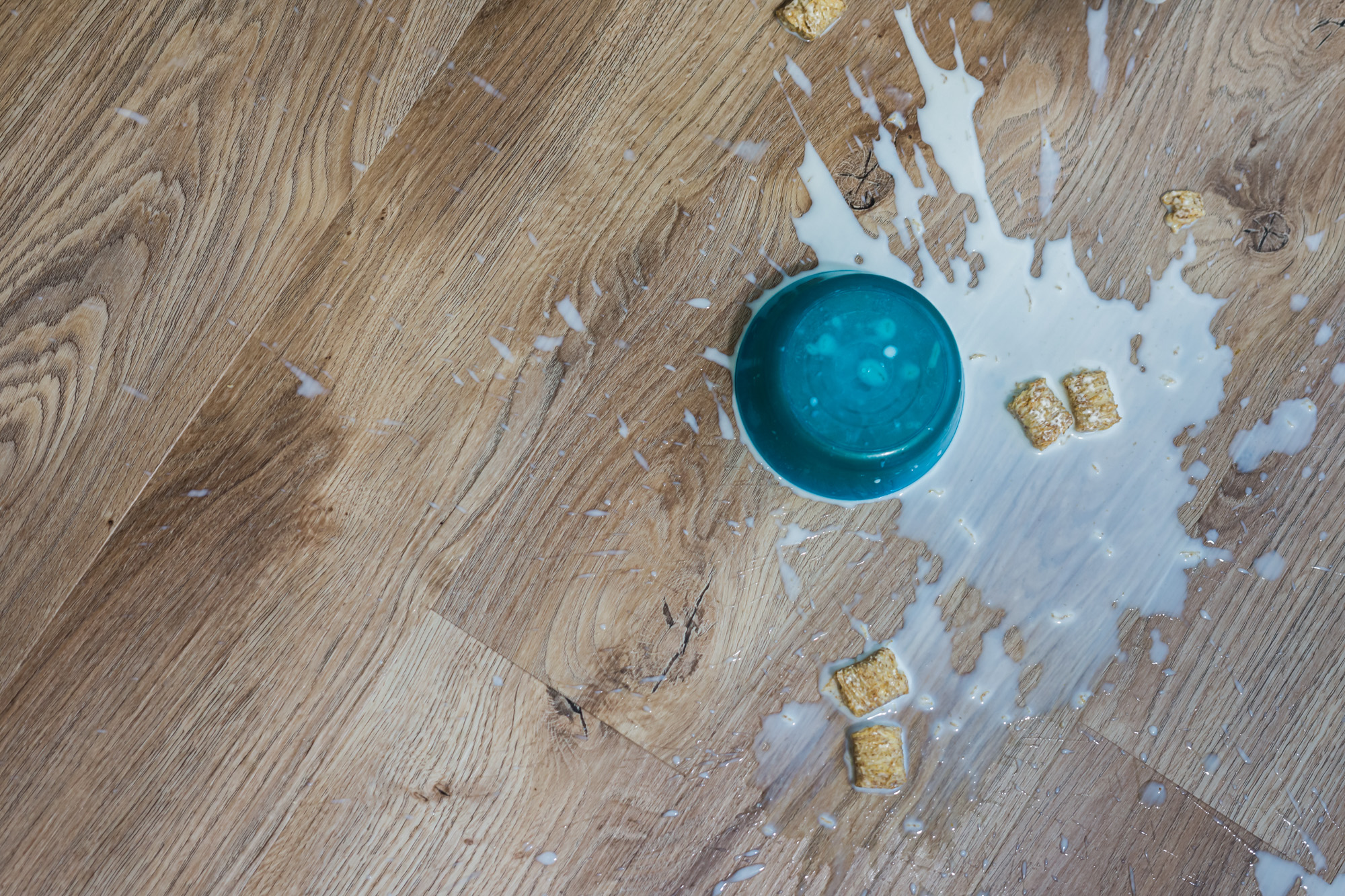
Modern waterproof laminate flooring handles the spills, pet accidents, and tracked-in weather common to active households across the Kansas City metro. From busy open-concept kitchens in Olathe and Lenexa to split-level entryways in Gladstone and mid-century ranches in Overland Park, daily routines place steady moisture demands on hard surfaces.
Laminate previously carried a reputation for swelling at the slightest contact with standing liquid. Today, manufacturing advancements have introduced water-defense technologies that protect planks from everyday household spills. Understanding how these protective layers work—and where their physical limits lie—helps you choose the right surface for your living spaces.
Surface Protection Versus Full Immersion
Waterproof laminate flooring provides dependable protection against topical spills, wet boots, and kitchen splashes. Manufacturers achieve this through a combination of non-porous surface coatings, tight-locking joint profiles, and water-repellent core treatments.
Topical water defense means liquid sitting on the plank surface cannot penetrate the top wear layer or seep down through the seams during normal household use. You can wipe up an overturned water bowl, clean up spilled milk from a busy morning routine, or melt away tracked-in winter slush without damaging the boards.
Full structural flooding represents a completely different challenge. If a supply line bursts behind a dishwasher or an unfinished lower level takes on standing water, moisture can migrate beneath the baseboards and pool on the subfloor. Because laminate uses high-density wood fibers in its core, trapped standing water underneath the floor will eventually cause the boards to absorb moisture from the bottom up. While the surface remains waterproof against daily accidents, the floor cannot survive total submersion under prolonged standing water.
Anatomy of Water-Resistant Core Technology
Modern waterproof laminate combines multiple engineered layers designed to stop moisture before it reaches vulnerable wood fibers.
A transparent melamine resin top layer provides the first line of defense. Infused with aluminum oxide, this tough outer shield creates a non-porous barrier that repels liquids while resisting scratches from active pets and heavy foot traffic.
Below the wear layer, two critical components prevent water intrusion at the seams:
Hydrophobic click-lock joints: Precision-milled tongue-and-groove edges interlock under steady tension, pulling individual planks tightly together. Many manufacturers coat these edges with paraffin wax or specialized water-repellent sealants, stopping liquids from penetrating between plank seams.
Treated high-density fiberboard: The central core consists of natural wood fibers compressed under extreme heat and pressure with water-resistant resins. This dense composite structure slows moisture absorption, giving you ample time to wipe up spills before the core reacts.
Together, these layers keep household liquid sitting on the top surface where you can safely clean it with a standard dry or damp microfiber mop.
Daily Moisture Demands Across Regional Floor Plans
Midwestern seasons bring distinct moisture challenges into Kansas City homes throughout the year:
Entryways and split-level landings: Winter snow, driveway de-icing salts, and springtime rains pool quickly right inside the front door. Planks with sealed joints keep this wet slush from soaking into the seams, preventing swollen edges near entry rugs.
Open kitchen and dining spaces: Spilled drinks during crowded weekend watch parties, overflowing pet water dishes, and dishwasher drips land directly on the floor. Sealed surface laminate handles these messes without staining or dulling the protective finish.
Mudrooms and backyard access points: Dogs racing in from fenced yards after a heavy downpour leave wet paw prints across main-floor walkways. A tough water-defense wear layer keeps that moisture on top of the plank until cleanup time.
These real-world protections allow you to run consistent wood visuals through major living zones without worrying about accidental floor damage from routine family activities.
Room Placement Across Your Home
Selecting waterproof laminate depends on the specific moisture levels and physical functions of each room:
Main-floor living spaces: Long, continuous installations connecting kitchens, dining rooms, and hallways benefit from water-defense planks that eliminate clunky transition strips between spaces.
Half baths and laundry rooms: Powder rooms and main-floor utility spaces handle routine sink splashes and washer vibrations without issue, provided perimeter expansion gaps receive proper flexible sealant along baseboards.
Full bathrooms with tubs: Rooms subject to heavy steam, splashing from kids' bath times, or standing puddles near showers call for waterproof luxury vinyl plank or traditional porcelain tile instead, as water can seep around unsealed edges and settle underneath the floor.
Matching the right material to the specific moisture exposure of each room ensures your floors remain flat, stable, and visually appealing for years to come.
Maintenance Habits That Protect the Water Seal
Keeping waterproof laminate in peak condition involves simple, consistent cleaning habits:
Routine dry cleaning: Sweep or vacuum regularly using a soft brush attachment to lift abrasive grit and dirt that could compromise the clear protective top coat over time.
Damp mopping: Clean sticky spills with a lightly dampened microfiber pad and manufacturer-approved hard-surface cleaner. Never use steam mops, as pressurized hot steam forces moisture past the edge seals and straight into the inner fiber core.
Quick spill cleanup: Wipe up standing water, pet accidents, and tracked-in winter slush promptly. While the surface repels liquid, clearing spills quickly preserves the integrity of the perimeter seams.
Explore Waterproof Laminate Flooring at Carpet Corner
Finding the right balance of timber texture, plank width, and moisture protection starts with comparing physical materials under natural lighting. Since 1968, our family-owned business has helped homeowners across the Kansas City area select reliable, durable floors tailored to their architecture and daily routines. With approximately 90 local employees and four showrooms located in Olathe, Overland Park, Kansas City (KS), and Gladstone, our team provides trusted guidance on room suitability, subfloor readiness, and professional installation.
Visit our flooring specialists at your nearest showroom in Olathe, Overland Park, Kansas City, and Gladstone, or contact us to schedule your consultation.


