

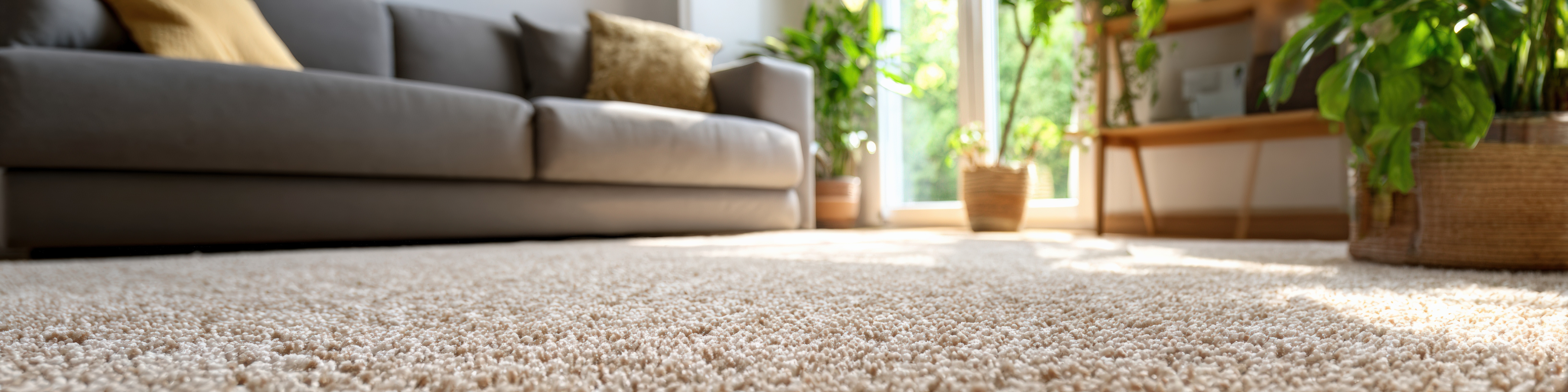
Carpet wrinkles and ripples take away from the clean look of your living spaces and create frustrating trip hazards. Across the Kansas City metro, homes experience sharp seasonal shifts—from humid, stormy summers to dry, sub-freezing winters. These broad environmental swings cause materials to expand and contract, which often exposes slack in older floors. Pairing regional weather patterns with busy household routines, active kids running through finished basements in Overland Park, and pets racing across Gladstone split-level landings can cause unanchored carpet to loosen over time.
A buckled surface does not always mean your carpet has reached the end of its lifespan. Understanding why these ripples form across local floor plans helps you determine whether your floor needs a quick restretch or a full replacement.
Primary Causes of Carpet Buckling Across the Metro
Carpet needs steady, uniform tension across tack strips to stay flat. When that tension fails, slack yarn and backing bunch up into distinct ridges. Several common factors lead to loose carpet in our regional homes:
Midwestern humidity swings: Summer air across the bi-state area regularly pushes indoor humidity above comfortable levels, which causes carpet backing to absorb ambient moisture and relax. When dry winter furnace heat arrives in late fall, the fibers shrink unevenly, locking visible ripples into place.
Heavy furniture movement: Rearranging substantial sectionals or sliding large entertainment centers for game-day watch parties can pull backing right off the perimeter tack strips.
High-traffic pivot zones: Sharp turns at the bottom of split-level stairs or narrow hallway intersections experience concentrated lateral force from running feet, gradually shoving loose carpet forward.
Improper original tension: Floors installed without a mechanical power stretcher often lack the drum-tight tension needed to stay flat over years of temperature fluctuations.
How to Fix Carpet Wrinkles Safely
Tackling ripples calls for restoring proper physical tension across the entire room. While minor surface bubbling might tempt you to try quick DIY fixes, lasting results call for specialized tools and careful technique.
Evaluate the Underlying Padding and Backing
Before pulling up any carpet edges, check the condition of the material beneath the surface. Lift an unanchored corner near a doorway or closet to inspect the pad.
If the cushion feels crumbly, powdery, or damp, simply stretching the surface will not solve the issue. Degraded padding loses its resilience and allows the carpet above it to shift constantly underfoot. In finished daylight basements throughout Johnson County and the Northland, older foam pads often break down faster due to seasonal lower-level moisture. In these situations, replacing the pad before restretching the carpet is necessary to maintain a level walking surface.
Professional Power Stretching
Restoring flat, safe carpet across an entire room calls for a mechanical power stretcher rather than a basic manual knee kicker.
A power stretcher uses long steel extension tubes braced against an opposite wall to apply controlled, heavy leverage across the room. This tool pulls the entire backing taut, smoothing out waves from the center outward toward the perimeter. Once the technician stretches the carpet drum-tight, they press the backing firmly onto the perimeter tack strips, trim away the excess slack with a sharp wall trimmer, and tuck the raw edge neatly along the baseboards.
A simple knee kicker only works for positioning carpet in tight spots like closets or stair landings. Relying on a knee kicker alone to remove large room-wide buckles risks tearing the backing seams and rarely produces enough tension to prevent ripples from returning next season.
Signs You Need Replacement Instead of Restretching
Restretching works wonders for carpet that remains structurally sound, but certain physical warning signs indicate your floor needs replacement:
Delaminated backing: If the secondary woven backing has completely separated from the primary face yarn, the carpet has lost its structural integrity and cannot hold tension.
Permanent fiber creasing: Severe wrinkles that remain walked on for months often develop permanent white lines or cracked backing where the fibers broke under foot pressure.
Advanced wear in traffic lanes: Matched with heavy matting, fraying seams, or stubborn stains in open suburban living rooms, restretching an aged carpet will not restore lost cushion or appearance.
If your carpet shows these deeper issues, choosing new textured cut-pile or dense loop options designed for active family traffic provides a fresh, durable foundation for your home.
Protect Your Floors and Fix Carpet Wrinkles
Resolving loose, wavy carpet restores comfort to your home and prevents accidental trips in busy hallways and family rooms. Since 1968, our family-owned business has helped homeowners across the Kansas City area maintain beautiful, comfortable floors built to handle active family routines and local climate changes. With four accessible showrooms located in Olathe, Overland Park, Kansas City, Kansas, and Gladstone, our experienced local teams provide honest guidance on subfloor preparation, proper pad selection, professional restretching, and full flooring updates.
Visit our flooring specialists at your nearest showroom in Olathe, Overland Park, Kansas City, and Gladstone, or contact us to arrange your free in-home consultation.


